SDC Montana
Our Commitment
to Sustainability
We believe that what’s better for local ecosystems is better for business.
SDC Montana will transform underutilized industrial property within the Montana Connections Business Development Park into one of the most advanced, energy-efficient data center campuses in the country.
Quick Reference
- Location: Montana Connections Business Development Park, Butte–Anaconda Corridor
- Total Land Area: ~600 acres under option
- Power Capacity: Up to 250 MW planned in phases
- Utility Provider: NorthWestern Energy
- Cooling Design: Air-first hybrid system with closed-loop backup
- Water Source: Industrial (non-potable) Silver Lake water system
- Oversight: Public Service Commission–regulated framework
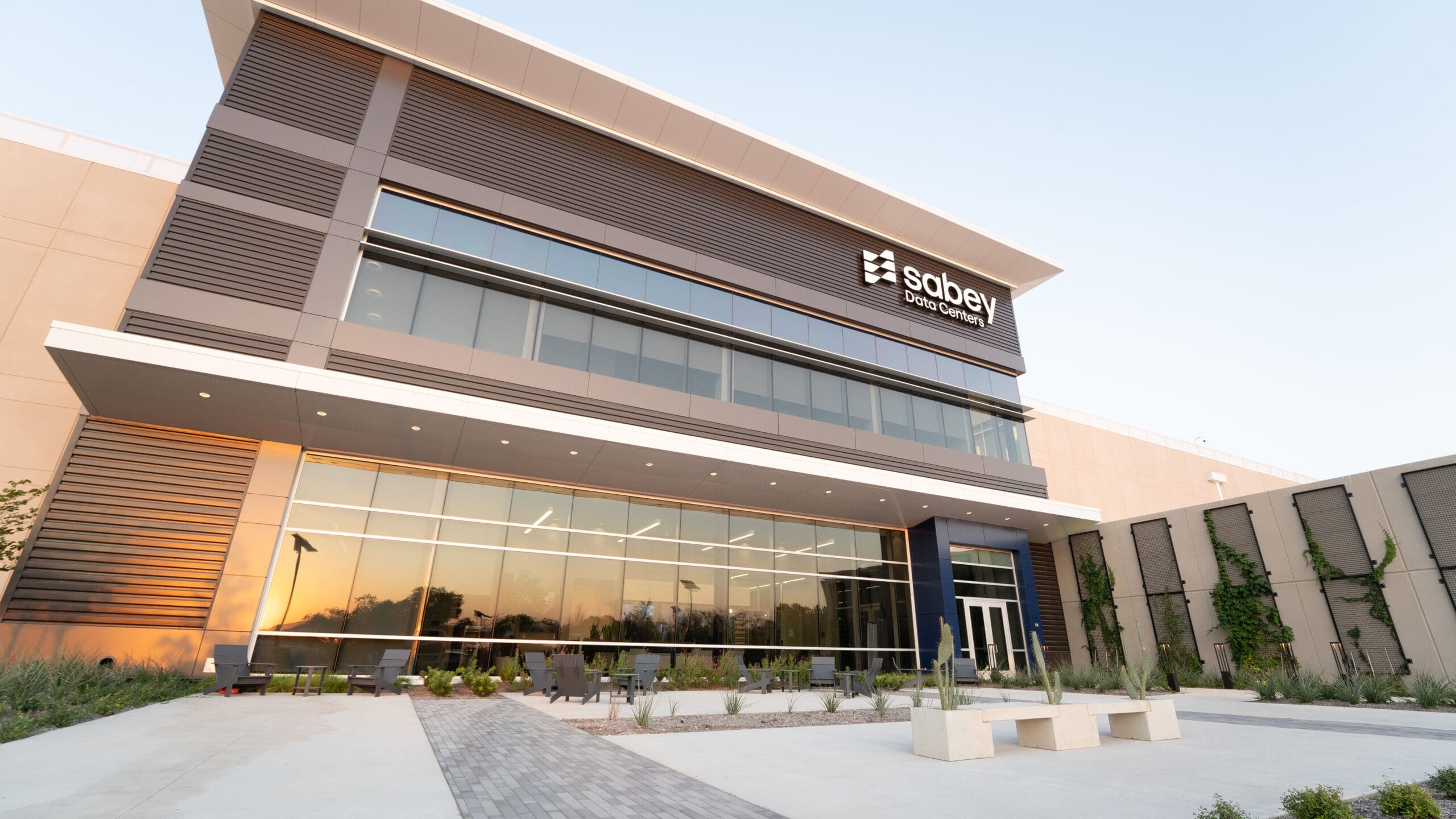
Built for Efficiency
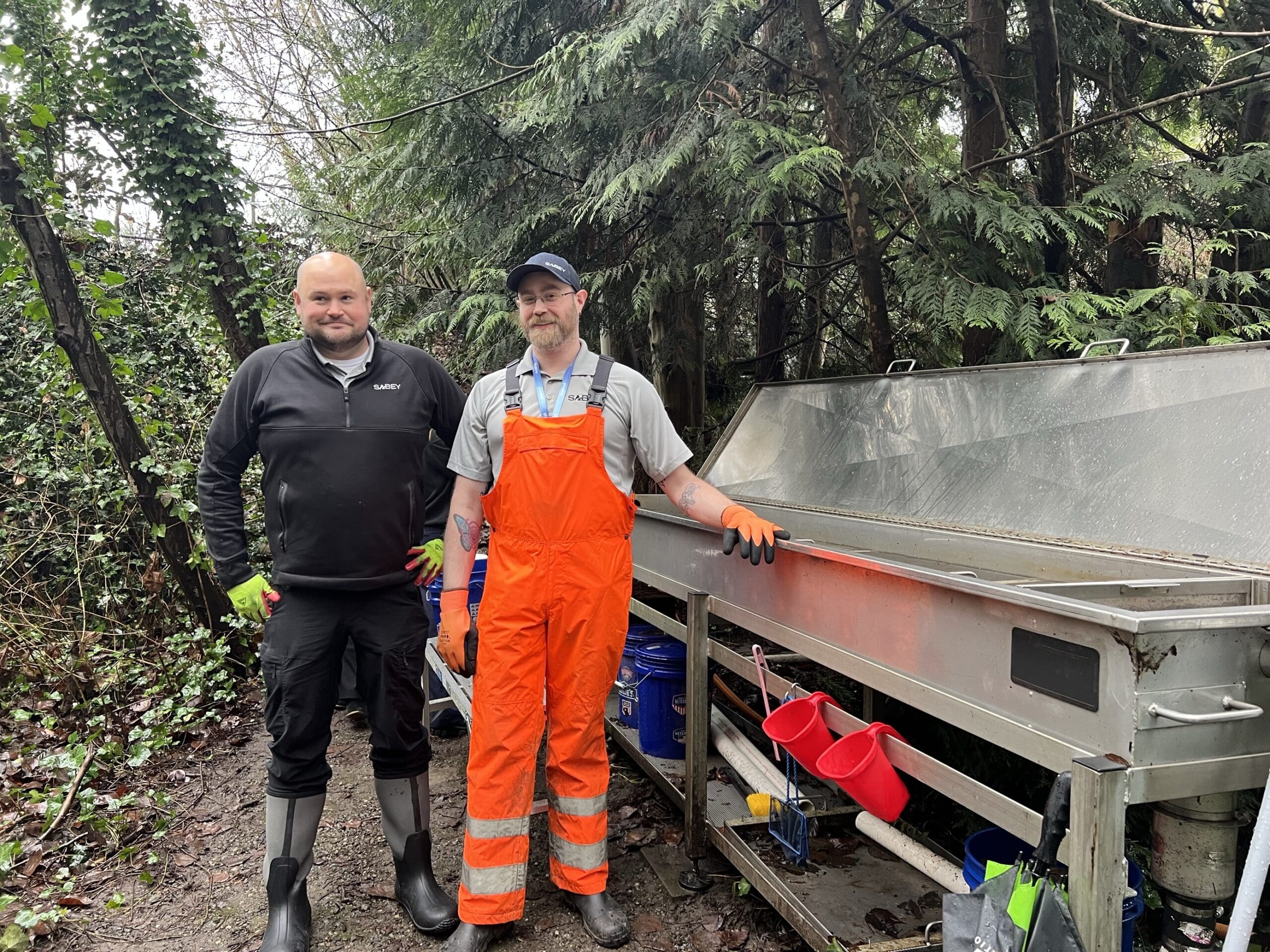
Every Sabey campus is engineered for efficiency, reducing energy use, water consumption, and environmental impact compared to typical industry standards. Our focus on sustainable design starts at day one and continues throughout the life of every facility.
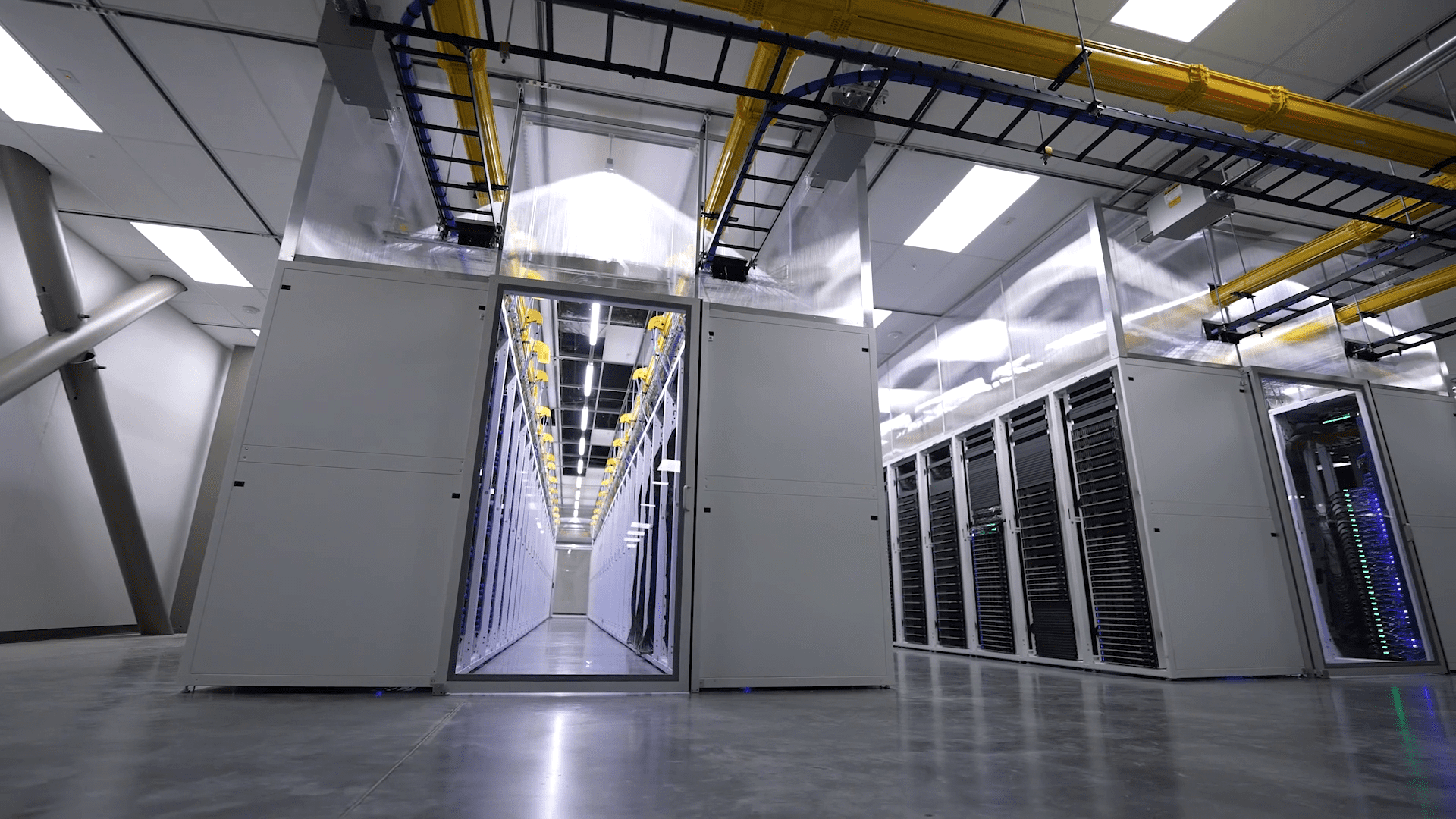
Smarter Power
From closed-loop cooling to advanced monitoring, we prioritize efficient systems, responsible energy procurement and continuous optimization to reduce our environmental footprint.
Share this video:
Protecting local resources
Sustainability, Designed for Montana
Each Sabey campus exists in a specific ecosystem with unique environmental needs. Our goal is to meet and exceed those needs at every one.
Our Montana data center site will use an air-first, closed-loop cooling system designed to dramatically reduce water consumption, drawing the limited water it requires from non-potable industrial sources rather than community drinking supplies. Low-water landscaping, sound attenuation and dark-sky lighting protect the surrounding environment and nearby residents.
With transparent reporting and collaboration with local partners, we’re committed to operating in ways that complement Montana’s natural landscape and community priorities.
Project Timeline
The project will be developed in phases over multiple years to match customer demand and available infrastructure. Each construction phase will employ 50–150 skilled tradespeople and additional support roles. Early site work and interconnection design are underway, with vertical construction following final local approvals.
Infrastructure & Utility
The campus will operate within NorthWestern Energy’s regulated service framework under Public Service Commission oversight. Sabey funds all customer-specific interconnection and grid upgrades—ensuring no cost shift to local ratepayers. The site’s water use will be limited and non-potable, sourced from the Silver Lake industrial water system. The hybrid cooling design minimizes consumption and supports reliable year-round operation.
Environmental Design
The Montana project follows Sabey’s established sustainability framework, focusing on efficient design, renewable energy procurement, and transparent reporting. Each facility will meet or exceed ENERGY STAR certification criteria and incorporate low-water-use landscaping, sound attenuation, and dark-sky lighting.
Local Benefits
Beyond construction and operations jobs, the project will broaden the local tax base and support infrastructure improvements through private investment. Sabey is collaborating with local labor organizations, educational institutions, and community leaders to ensure the project aligns with regional economic and environmental goals.

“In Montana, our goal is to build lasting value for both people and place. Sustainability isn’t an add-on for us—it’s built into every decision, from energy efficiency and water stewardship to the partnerships we form with local communities. We’re committed to setting a standard for digital infrastructure that supports grid resilience, protects natural resources, and leaves every community we join better than we found it.”
Tim Mirick
President, Sabey Data Centers

“Efficiency is the foundation of sustainability. Every Sabey campus is engineered to deliver more computing power with less energy, less water, and less noise. In Montana, our air-first, closed-loop cooling design and continuous optimization of power usage mean we can support high-density technology while dramatically reducing environmental impact.”
John Sasser
CTO, Sabey Data Centers

“Montana’s abundant natural resources make it an ideal location to explore cleaner, more resilient power solutions. As the industry evolves, we’re actively evaluating partnerships and technologies, from advanced nuclear to expanded renewables, that can support growth without compromising our environmental commitments.”
Rob Corbin
SVP Energy Development, Sabey Data Centers

“We believe the best kilowatt-hour is the one we never use. By designing for efficiency and constantly seeking smarter solutions, from low-power cooling to clean energy strategies, we aim to build data centers that deliver performance without compromising the planet.”
Casey Mason
Director of Energy & Sustainability
Frequently Asked Questions
Common questions about the environmental effects of data centers
The current design is air‑first, closed-loop cooling that relies primarily on dry radiators. This approach dramatically reduces water use compared to traditional evaporative systems. Where water is used, we intend to utilize industrial (non‑potable) sources to protect municipal drinking supplies. As project design moves forward, Sabey is committed to working with the community to leverage a cooling operation that minimizes water use and maximizes efficiency.
If rare evaporative assist is needed during extreme weather, a small amount of permitted cooling‑system discharge may occur. This water is typical of cooling systems and may contain naturally occurring minerals from the source water and trace residuals of standard treatment agents used industry‑wide to prevent scale and corrosion. No oils, solvents, or process chemicals are introduced. Any such water would be routed to the publicly owned treatment works or authorized under a Montana DEQ permit, with monitoring to ensure permit limits (e.g., pH and disinfectant residual) are met.
Sabey funds and operates any required on‑site pretreatment and pays all applicable connection and user fees. Our baseline design remains air‑first, closed-loop cooling, which uses very little water in normal operation based on current design modeling, and prioritizes industrial (non‑potable) sources.
Exterior lighting will be full‑cutoff and down‑shielded, with controls such as dimming and motion sensors. Equipment yards are screened and building facades feature non‑reflective treatments. We will coordinate with nearby users during our design phase so lighting plans meet or exceed code and Dark‑Sky best practices.
Facilities are engineered to meet or surpass local noise requirements and/or industry standards and best practices. Typical measures include careful equipment selection and placement, acoustic enclosures, barriers/sound walls, silenced air‑handlers, and predictive modeling. A project‑specific noise study will be completed during permitting, with mitigation applied as needed.
Additionally, backup generators are tested during daytime hours only, with approximately 20 total hours of testing per year across all units. Actual outage usage is rare, typically less than once per year. Testing is scheduled during reasonable hours with advance notice to neighbors. Normal daily operations are designed to be significantly quieter than typical industrial or manufacturing facilities.
No. Once operational, data centers generate very low traffic compared to other industrial uses. Construction phases involve more activity but are temporary and coordinated to minimize disruption.
Sabey Data Centers is committed to designing and operating some of the most energy-efficient data centers in the industry. We leverage advanced cooling techniques (such as economization and liquid cooling) alongside high-efficiency power distribution and hardware. Our facilities are built to optimize Power Usage Effectiveness (PUE) and maximize renewable energy integration wherever possible. By combining smart design, continuous monitoring and a focus on sustainability, we’re able to reduce energy consumption while maintaining top performance and reliability across all our campuses.
ENERGY STAR routinely scores Sabey data centers among the most efficient in the nation, and we are known for our insightful stewardship of other natural resources entrusted to us.
Questions or Concerns?
We’re eager to open a dialogue. Reach out and let us know what you have on your mind!